A
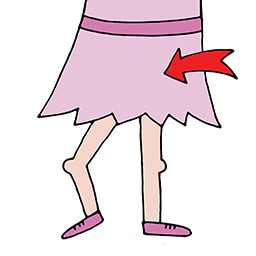
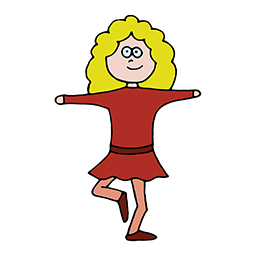
ballet skirt, also known as a tutu, is a quintessential garment worn by ballet dancers that is synonymous with the art form. It is a graceful and elegant skirt that adds flair and drama to theatrical performances. A ballet skirt consists of multiple layers of stiff tulle or netting, which gives it a voluminous and ethereal appearance. It is typically worn by female dancers in ballet performances, but it can also be worn by male dancers for specific roles or characterizations.
The design of a
ballet skirt has evolved over time, and there are various types and styles available. The two most common styles are the classical and romantic tutu. The classical tutu is shorter, reaching just above the
knee, and is widely associated with classical ballets such as "Swan Lake" and "The
Nutcracker." On the other
hand, the romantic tutu is longer, usually ankle-length, and was popularized in the 19th century during the romantic ballet era. It is often used in narrative ballets, portraying characters such as sylphs, fairies, or princesses.
The construction of a
ballet skirt requires meticulous craftsmanship. The layers of tulle or netting are carefully gathered and sewn onto a panty or basque, which serves as the foundation of the skirt. The panty is usually made of a stretchable and form-fitting material to ensure a comfortable and secure fit for the dancer. To maintain the distinct poofy shape of the skirt, a hoop or hoop-like structure known as a hoop skirt or petticoat is often worn underneath the tutu. This assists in keeping the layers separate and prevents them from collapsing onto each other.
In addition to the classical and romantic tutus, there are variations such as the pancake tutu and the platter tutu. The pancake tutu, as the name suggests, has stiff layers that resemble pancakes, giving the skirt a flat and plate-like appearance. This style of tutu is commonly used in contemporary ballets and often demands a high level of technical skill from the dancer. The platter tutu, on the other hand, has layers that are flared and layered more loosely, creating a softer and more flowing effect. It is often worn for roles with a dreamy or ethereal quality.
The color and embellishments of a ballet skirt can vary depending on the requirements of the ballet. Traditional ballets often feature white or pastel-colored tutus, whereas modern interpretations can incorporate a wide range of colors and patterns. To add further visual interest, tutus may be adorned with lace, ribbons, sequins, or crystals. The choice of adornments and colors can reinforce the character being portrayed or enhance the overall aesthetics of the performance.
The ballet skirt is an iconic symbol of ballet and is instantly recognizable to audiences around the world. Its graceful and flowing silhouette, together with the effortless movements of the dancer, create a mesmerizing visual spectacle. The skirt not only adds an element of beauty and elegance to ballet performances but also serves functional purposes. The layers of tulle or netting allow the dancer's movements to be accentuated and emphasized, making it easier for the audience to observe and appreciate the intricate footwork and positions of the ballet technique.
Overall, the ballet skirt is a key element in creating the magical and enchanting world of ballet. Its beauty, artistry, and the skill required to wear and dance in it make it an integral part of the ballet costume and performance. Whether it is a classical tutu for timeless ballets or a contemporary variation for modern compositions, the ballet skirt continues to captivate audiences and perpetuate the allure of ballet as an art form.